
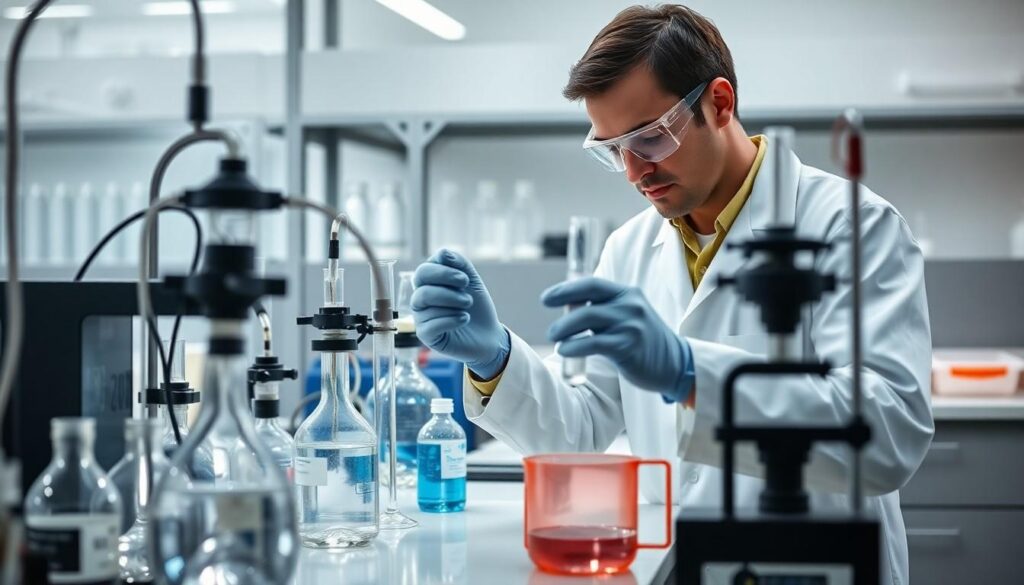

In a world where new compounds pop up faster than a game of whack-a-mole, the quest for effective treatment technologies has never been more crucial. Emerging compounds, often found in pharmaceuticals, personal care products, and industrial processes, can wreak havoc on our water systems. But fear not! Innovative treatment technologies are stepping up to the plate, ready to tackle these pesky pollutants with flair and finesse.
Imagine a superhero squad of advanced filtration systems, cutting-edge oxidation processes, and game-changing bioremediation techniques, all working tirelessly to protect our precious water resources. As these technologies evolve, they promise not just to keep our water clean but also to do so with a wink and a nod. Join the journey into the world of emerging compounds treatment technologies and discover how they’re transforming the way we approach environmental challenges, one compound at a time.
Overview of Emerging Compounds Treatment Technologies
Emerging compounds pose significant challenges. These substances often enter water systems through pharmaceuticals, personal care products, and industrial discharges. Advanced filtration systems represent one promising solution. Membrane filtration techniques effectively separate contaminants from water, ensuring cleaner supplies. Oxidation processes also play a key role. Techniques such as ozonation and advanced oxidation can break down complex compounds into less harmful substances.
Bioremediation techniques leverage natural processes. Microorganisms break down pollutants, making this method both effective and environmentally friendly. Phytoremediation, which employs plants to absorb and metabolize contaminants, has gained attention for its sustainability. Each technology presents unique advantages. However, they often work best in combination, enhancing overall effectiveness.
In addition, regulatory bodies increasingly focus on these technologies. Water quality standards are becoming stricter, pushing industries to adopt innovative approaches. Researchers continue to develop and refine these methods. Continuous advancements promise improved removal efficiencies and cost-effectiveness.
Emerging compounds treatment technologies stand at the forefront of environmental protection. They address both public health concerns and ecological impacts. Stakeholders, including governments, industries, and communities, must collaborate. A unified effort can accelerate the adoption of these transformative technologies.
Types of Emerging Compounds

Emerging compounds in water systems primarily stem from various sources, including pharmaceuticals and personal care products. Their presence poses significant risks to environmental health and human safety.
Pharmaceuticals
Pharmaceuticals contribute significantly to water contamination. These compounds often enter water bodies through wastewater from hospitals and households. Active ingredients in medications, such as antibiotics and hormones, resist conventional treatment methods, leading to their persistence in the environment. The effects of these substances on aquatic life and human health necessitate advanced treatment technologies. Regulatory bodies increasingly emphasize the need for effective removal techniques, including advanced oxidation processes. These techniques show promise in breaking down complex pharmaceutical contaminants, ensuring cleaner water sources.
Personal Care Products
Personal care products also play a role in water contamination. Items like shampoos, lotions, and soaps often contain synthetic chemicals. These substances wash off during regular use and inevitably find their way into wastewater. Standard treatment methods frequently fail to eliminate these emerging contaminants. Due to growing awareness, innovative treatment solutions are in demand. Bioremediation techniques, which use microorganisms to metabolize these pollutants, have shown effectiveness in removing surfactants and fragrances from water. This approach fosters sustainable practices and minimizes environmental impact while enhancing water quality.
Treatment Technologies
Emerging treatment technologies address the challenges posed by pollutants in water systems. These innovative approaches enhance the effectiveness of conventional methods, ensuring better water quality for all.
Advanced Oxidation Processes
Advanced oxidation processes (AOPs) effectively degrade complex organic pollutants, including pharmaceuticals and personal care products. These methods involve the generation of highly reactive radicals, such as hydroxyl radicals, which break down contaminants into simpler, less harmful substances. Researchers often emphasize the efficiency of AOPs in tackling persistent compounds that traditional treatment processes cannot eliminate. Types of AOPs, including ozonation and Fenton’s reagent, demonstrate remarkable success across various water treatment scenarios. Regulatory frameworks increasingly support AOPs due to their potential for reliable contaminant removal.
Membrane Filtration
Membrane filtration techniques play a crucial role in separating emerging contaminants from water. These methods utilize semi-permeable membranes to effectively remove micropollutants, including pharmaceuticals and endocrine-disrupting chemicals. Various types of membrane filtration, such as microfiltration, ultrafiltration, and reverse osmosis, cater to specific contaminant removal needs. It’s notable that membrane systems can achieve high rejection rates and maintain low energy consumption, providing an efficient treatment solution. Advances in membrane technology continue to enhance durability and performance, making them more adaptable for diverse applications in water treatment.
Bioremediation
Bioremediation relies on natural processes to detoxify water by harnessing microorganisms and plants. These organisms metabolize contaminants, effectively reducing their concentrations in the environment. A variety of bioremediation strategies exist, including phytoremediation and microbial remediation, each suited to specific types of pollutants. Studies reveal the effectiveness of bioremediation in treating water contaminated with pharmaceuticals and heavy metals. Stakeholders increasingly recognize its potential, emphasizing the importance of sustainable practices in environmental protection.
Photocatalysis
Photocatalysis stands out as an innovative approach that uses light-activated catalysts to degrade pollutants. This technique involves a photocatalyst, often titanium dioxide, which generates reactive species under UV or visible light exposure, breaking down organic contaminants. Applications of photocatalysis range from wastewater treatment to air purification, demonstrating its versatility. Enhanced research into photocatalysts aims to improve efficiency and expand light wavelengths for broader usage. Regulatory considerations are leaning towards photocatalytic systems due to their low environmental impact and ability to address emerging contaminants effectively.
Challenges in Implementing Treatment Technologies
Emerging compounds treatment technologies face several challenges that can hinder their widespread adoption. These challenges revolve around cost, regulatory frameworks, and technical limitations.
Cost Considerations
Implementing advanced treatment technologies often involves significant financial investment. Costs associated with installation, operation, and maintenance can exceed budgets for many municipalities and industries. Membrane filtration systems, for instance, require substantial upfront costs for setup, even if they result in long-term savings through efficient contaminant removal. Ongoing operational expenses, such as energy consumption and chemical usage, add to the financial burden. Governments and businesses must weigh these costs against the potential benefits of improved water quality and compliance with regulations. Funding opportunities may exist, but they often remain limited and competitive.
Regulatory Framework
Regulatory frameworks significantly influence the implementation of treatment technologies. Agencies establish guidelines that determine acceptable levels of contaminants in water. Compliance with these regulations often mandates the adoption of advanced techniques like oxidation processes and bioremediation, which add complexity to the treatment. Navigating the regulatory landscape can be daunting, given the variability in standards across different regions. Companies may encounter delays while securing necessary approvals for new technologies, further complicating their adoption. A collaborative approach among stakeholders helps streamline this process, ensuring that environmental health remains prioritized.
Future Trends in Emerging Compounds Treatment
Innovations in treatment technologies focus on improving the removal of emerging compounds from water. Advanced Oxidation Processes (AOPs) gain momentum as they effectively eliminate complex pharmaceuticals and chemicals. Membrane filtration techniques continue to evolve, enhancing efficiency in separating micro pollutants from water systems. Bioremediation increasingly attracts attention for its ecological benefits, utilizing microorganisms and plants that break down harmful substances naturally.
Increased regulatory pressure drives the adoption of these technologies. Governments and industries collaborate to address stringent water quality standards, prioritizing effective treatments. The integration of photocatalysis presents a promising trend, showcasing specialized light-driven reactions that degrade pollutants efficiently in various environments.
Economic considerations cannot be overlooked. Significant investments in advanced treatment solutions present challenges for municipalities and industries but also foster innovation. Research into cost-effective models aims to optimize installation and operational expenses, ensuring affordability while maintaining performance standards.
Public awareness surrounding environmental health fuels demand for sustainable practices. Communities advocate for transparent discussions about water safety and pollutant management. By fostering partnerships among governmental agencies, industries, and community stakeholders, a unified approach emerges to tackle the complexities of water treatment.
Trends in technology continue to transform the landscape of emerging compounds treatment. The convergence of scientific research, regulatory initiatives, and community involvement sets a foundation for preserving water resources. Flexibility in adapting methods to local conditions enhances the efficacy of treatment technologies, promoting a holistic approach to environmental stewardship.
Emerging compounds treatment technologies represent a crucial step toward safeguarding water quality and public health. As these innovative solutions evolve, they offer hope for effectively addressing the complex challenges posed by pollutants from pharmaceuticals and personal care products. The collaboration among stakeholders is vital for overcoming financial and regulatory hurdles that may impede progress.
Investments in advanced treatment methods not only enhance environmental sustainability but also pave the way for a cleaner future. Continued research and community engagement will play essential roles in driving these technologies forward, ensuring that water resources remain protected for generations to come. Embracing these advancements will ultimately lead to a healthier ecosystem and a more sustainable world.


